Diagnostics That Find the Real Problem
Air Conditioning Repair & Troubleshooting in Denver for systems not cooling properly, running constantly, or operating inefficiently during summer heat
Central air systems that blow warm air during peak summer temperatures signal problems ranging from refrigerant leaks to failed compressors, frozen evaporator coils, or airflow restrictions that prevent proper heat exchange. Westlake Air, LLC provides comprehensive diagnostics across the Lake Norman Area when your AC runs continuously without reaching thermostat settings, cycles on and off too frequently, or produces unusual noises indicating mechanical wear. North Carolina's long cooling season and heavy summer humidity place sustained demands on air conditioning equipment, exposing component weaknesses that may not appear during milder spring weather when systems operate only occasionally.
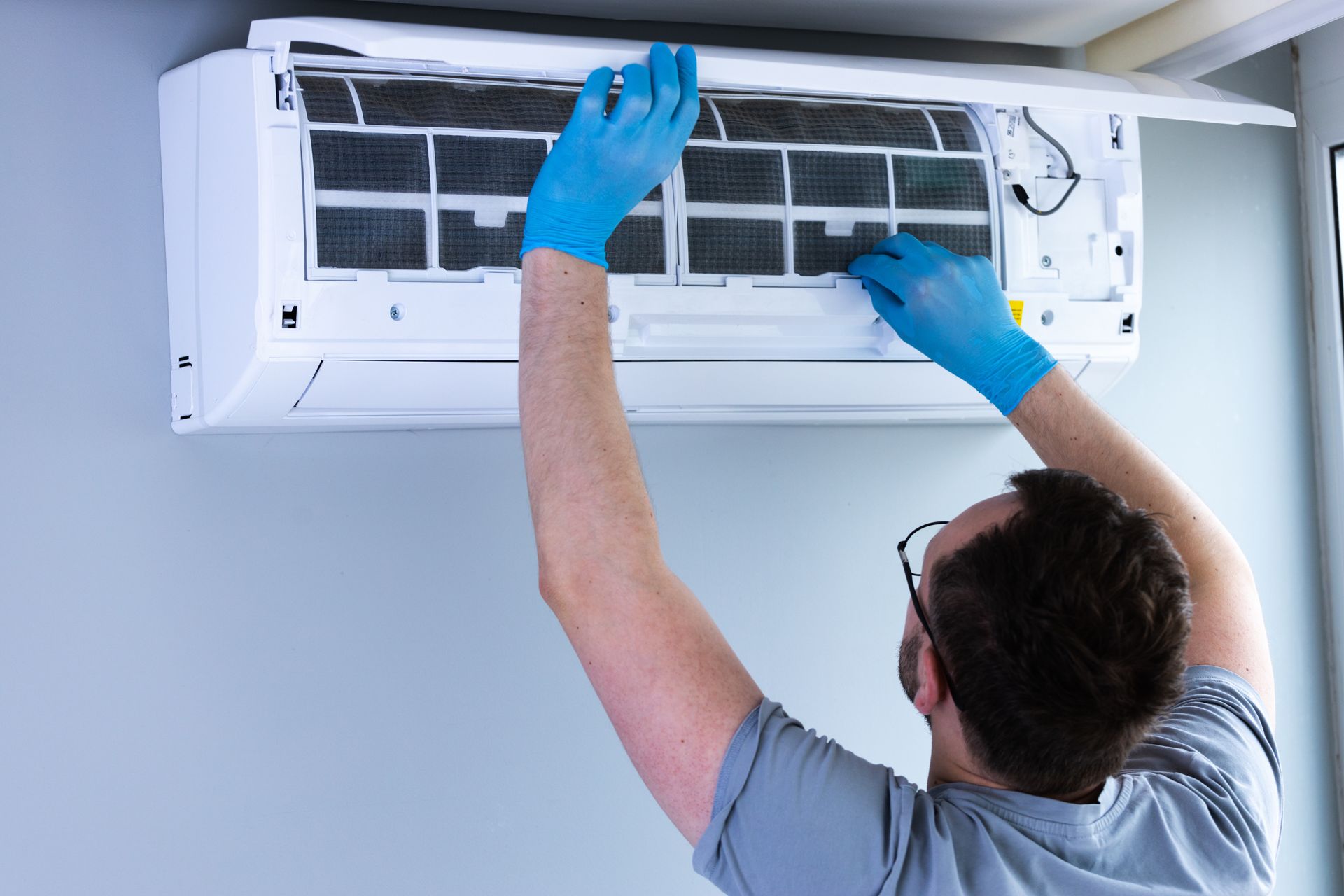
AC troubleshooting covers refrigerant leak detection using electronic sensors and UV dye to locate pinhole leaks in coils and line sets, compressor testing to verify electrical windings and internal mechanical condition, evaporator coil inspection for ice buildup caused by restricted airflow or low refrigerant charge, blower motor repairs addressing failed capacitors or worn bearings, thermostat calibration to confirm accurate temperature sensing, and ductwork examination for disconnected sections or crushed flex duct reducing airflow to living spaces.
Schedule professional AC troubleshooting to identify specific failures accurately rather than replacing components based on guesswork or incomplete diagnostics.
What You Notice Once Cooling Is Restored
Air conditioning repair restores the temperature differential your system was designed to produce—supply air typically measures 15 to 20 degrees cooler than return air when refrigerant charge, airflow, and heat exchange occur properly. After technicians repair refrigerant leaks and recharge the system to manufacturer specifications, compressor amperage drops to nameplate ratings instead of running high from overwork, and ice formation on copper lines or evaporator coils disappears as proper heat absorption resumes.
You'll notice rooms cool evenly without hot spots near windows or upper floors, humidity levels drop to comfortable ranges instead of leaving indoor air muggy despite cool temperatures, and your thermostat reaches the set point without the system running nonstop through afternoon heat. Blower repairs eliminate rattling sounds from loose fan blades or squealing from dry motor bearings, while compressor repairs stop the clicking, buzzing, or humming noises that indicate electrical problems or refrigerant flow restrictions.
Emergency AC repairs during peak summer temperatures focus on restoring indoor comfort quickly by addressing immediate failures, though underlying issues like undersized ductwork, inadequate insulation, or aging equipment may still affect long-term efficiency. Repairing existing equipment remains practical when your system is under 10 years old and the needed repair addresses one specific component rather than multiple simultaneous failures.
Common Questions About This Service
Homeowners facing cooling problems often ask what causes sudden failures, how quickly repairs can restore comfort, and whether their system should be fixed or replaced entirely.
What causes an air conditioner to freeze up during operation?
Frozen evaporator coils result from restricted airflow due to clogged filters or closed supply registers, low refrigerant charge from leaks that reduce pressure and temperature in the coil, or blower motors running too slowly to move sufficient air across the heat exchanger.
How do technicians locate refrigerant leaks in AC systems?
Leak detection combines electronic sensors that beep when detecting refrigerant molecules, UV dye injected into the system that glows under black light at leak points, and bubble solution applied to suspected areas like brazed joints, valve cores, and coil seams where vibration causes metal fatigue.
When does compressor failure mean the entire system needs replacement?
Compressor replacement often costs 50 to 70 percent of a new system installed, making replacement more practical when your equipment exceeds 12 years old, uses R-22 refrigerant being phased out, or shows additional wear in the condenser fan motor, evaporator coil, or electrical contactors.
Why do air conditioners in the Lake Norman Area work harder during humid weather?
High humidity forces AC systems to remove moisture from indoor air in addition to lowering temperature, increasing runtime and energy consumption because the evaporator coil must operate cold enough to condense water vapor, which requires more refrigerant circulation and compressor work than dry heat removal alone.
What's involved in emergency AC repair service?
Emergency service prioritizes rapid diagnostics to identify failures preventing cooling, followed by repairs using stocked components like capacitors, contactors, and thermostats that commonly fail, with refrigerant recharge or compressor replacement scheduled as follow-up appointments when parts require ordering.
Westlake Air, LLC repairs central air systems throughout the Lake Norman Area, emphasizing accurate diagnostics that identify specific component failures rather than recommending premature replacement. Arrange AC troubleshooting to restore efficient cooling before minor problems escalate into complete system failure during the hottest weeks of summer.