Systems Maintained Before Problems Develop
HVAC Preventive Maintenance & Tune-Ups in The Lake Norman Area for homeowners maintaining efficiency and preventing seasonal breakdowns
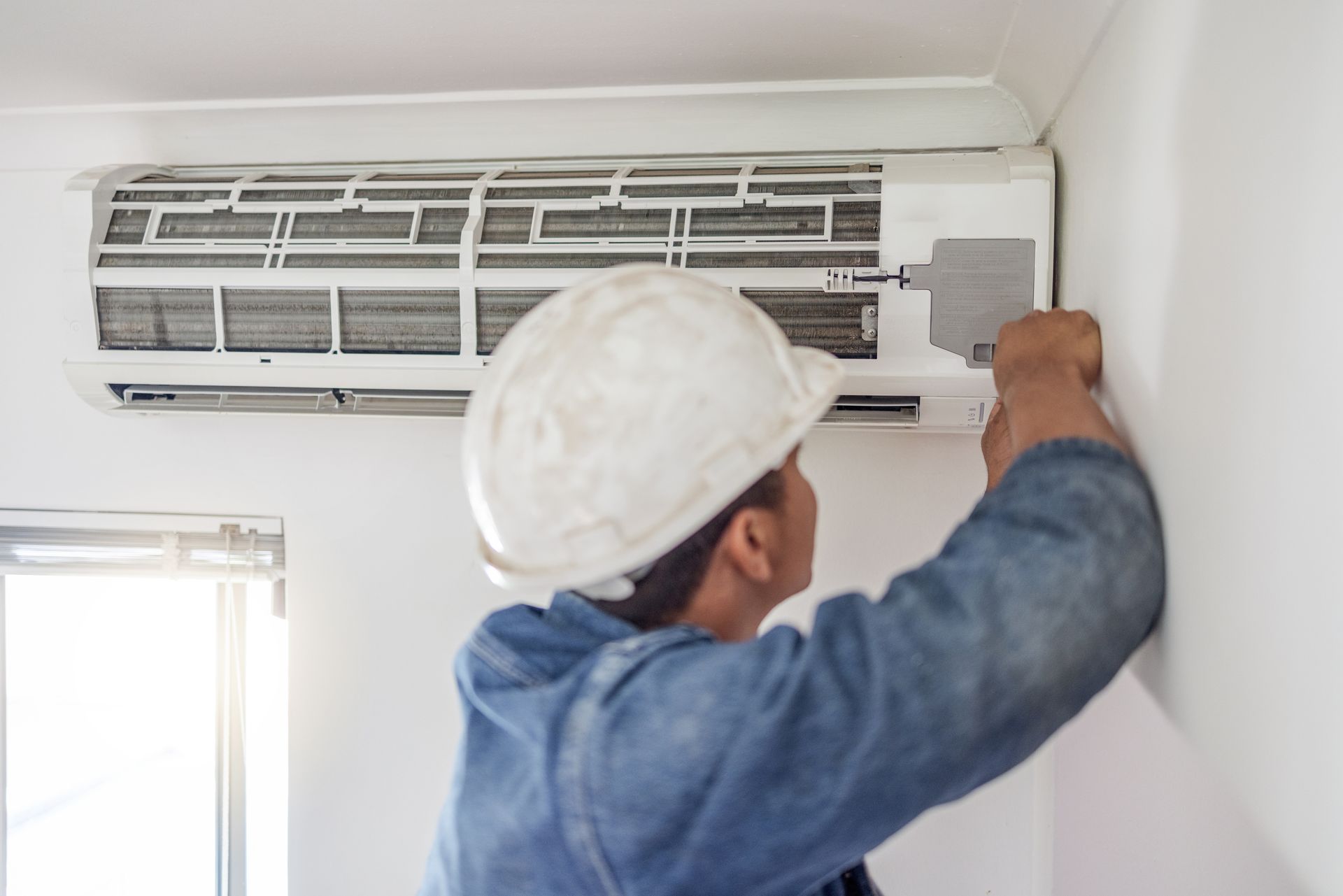
Air conditioning and heating systems fail most often during the first extreme-weather days of the season when neglected components can't handle the demand. Westlake Air, LLC performs seasonal tune-ups and preventive maintenance throughout The Lake Norman Area, inspecting systems before cooling season begins in spring and before heating demands start in fall. These visits follow comprehensive multi-point checklists covering electrical connections, refrigerant pressures, airflow measurements, thermostat accuracy, and safety controls that prevent hazardous operation.
Spring air conditioning inspections test capacitor voltage, measure superheat and subcooling to verify correct refrigerant charge, check contactor condition for pitting or arcing, inspect condensate drainage for clogs, and confirm that the evaporator coil isn't restricted by dust buildup. Fall heating tune-ups include ignition system testing, heat exchanger inspection for cracks, burner flame evaluation, blower motor lubrication, gas pressure verification, and carbon monoxide output testing on furnaces. Both services include filter inspection and replacement when needed, since a clogged filter reduces airflow enough to freeze cooling coils or overheat furnace heat exchangers.
Arrange a seasonal tune-up to address wear before it leads to mid-season failure.
What Preventive Service Identifies Early
During maintenance visits, technicians measure amp draw on blower motors and compressors to detect bearings beginning to bind or windings developing shorts. They tighten electrical connections that loosen from thermal expansion cycles, inspect refrigerant line insulation for degradation that causes efficiency loss, and clean outdoor coils clogged with cottonwood seeds and pollen common in North Carolina's spring months. Calibrating thermostats ensures temperature sensing matches actual room conditions, preventing systems from short-cycling or running past setpoints.
You notice systems reach target temperature faster and hold it more consistently after tune-ups address calibration drift and airflow restrictions. Utility bills stabilize rather than creeping upward as components degrade, since clean coils transfer heat efficiently and properly charged refrigerant systems avoid compressor overwork. Furnaces ignite reliably on the first cold morning rather than cycling through multiple attempts or failing entirely when heat exchangers are confirmed intact and ignition components are clean.
Maintenance agreements simplify scheduling by automatically booking spring and fall visits, ensuring systems receive attention before peak seasons rather than after problems emerge. Agreements typically include priority service scheduling during high-demand periods and discounts on repairs identified during inspections, allowing homeowners to address minor issues before they escalate into full component replacement.
Answers to Frequent Maintenance Questions
Homeowners often ask about the timing, scope, and value of routine HVAC maintenance before committing to seasonal service.
How often should HVAC systems receive professional maintenance?
Most manufacturers specify annual service, but systems running year-round or serving properties with heavy dust exposure benefit from twice-yearly inspections timed before cooling and heating seasons to catch issues before demand peaks.
What causes air conditioning systems to freeze during early summer use?
Frozen coils typically result from restricted airflow due to dirty filters or blower issues, low refrigerant from leaks, or blocked condensate drains causing water backup, all conditions caught during spring tune-ups before cooling season begins in The Lake Norman Area.
Why does furnace efficiency decrease over multiple seasons?
Burner orifices accumulate carbon deposits that alter flame patterns, heat exchangers develop scale that insulates against heat transfer, and blower wheels collect dust that reduces airflow, all reducing efficiency until cleaned during annual maintenance.
When should thermostats be recalibrated?
Calibration checks during seasonal maintenance verify sensing accuracy, though homeowners should request immediate recalibration if rooms consistently feel warmer or cooler than displayed setpoints or if systems run excessively without reaching target temperature.
What does a multi-point inspection include beyond filter changes?
Comprehensive inspections measure refrigerant pressures and temperatures, test electrical component voltages and amp draw, inspect condensate drainage, verify safety control operation, check ductwork connections, and confirm proper thermostat communication with system controls.
Westlake Air, LLC offers maintenance agreements that schedule your seasonal service automatically and provide priority response during equipment failures. Enroll in ongoing maintenance to keep your heating and cooling systems operating reliably throughout the year.