Year-Round Comfort From One System
Heat Pump Systems (Installation & Repair) in Denver for properties needing both heating and cooling with improved efficiency throughout seasons
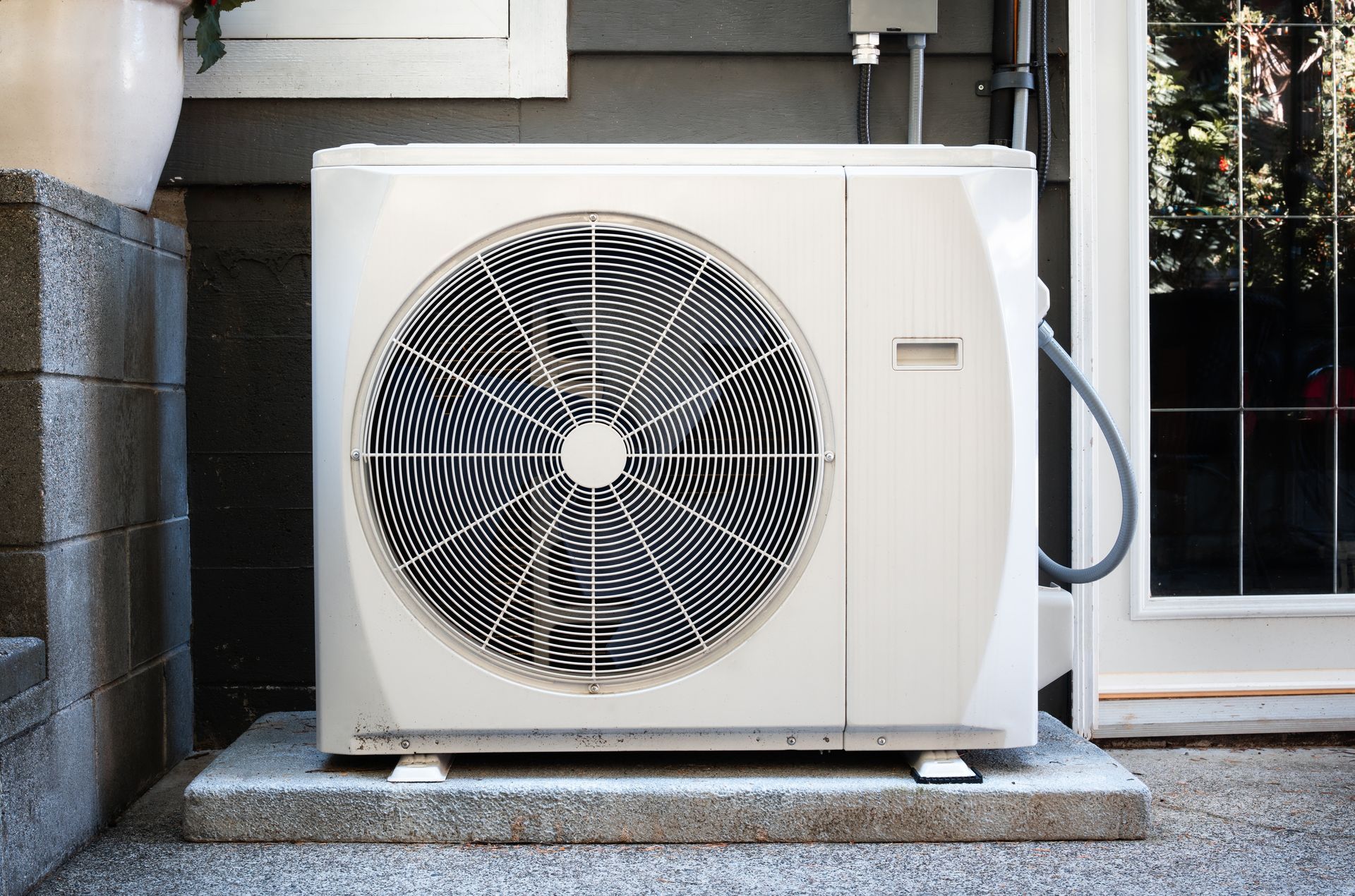
Heat pumps perform effectively throughout much of North Carolina's climate because outdoor temperatures rarely drop low enough to significantly reduce their heating capacity, making them efficient alternatives to separate furnace and air conditioning installations. Westlake Air, LLC installs and repairs heat pump systems across the Lake Norman Area when homeowners seek year-round indoor comfort from single equipment that switches between heating and cooling modes based on thermostat demand. Heat pumps use reversing valves to change refrigerant flow direction—extracting heat from outdoor air and moving it indoors during winter, then reversing the process to remove indoor heat during summer cooling season.
Heat pump diagnostics address reversing valves that fail to switch between heating and cooling modes, defrost controls that prevent ice buildup on outdoor coils during cold weather operation, compressors showing reduced capacity from internal wear, refrigerant leaks in line sets or coils reducing system charge, and electrical components including contactors, capacitors, and control boards that sequence defrost cycles and auxiliary heat staging. Dual-fuel system options pair heat pumps with gas furnace backup for greater efficiency during colder weather when outdoor temperatures drop below the balance point where electric heat pump operation costs more than gas heating.
Schedule heat pump repair or replacement services to restore efficient year-round comfort or evaluate modern equipment options that reduce operating costs.
Why Heat Pumps Work Well in Regional Conditions
Heat pump installation requires matching equipment capacity to your home's heating and cooling loads since the same system handles both functions, confirming adequate electrical service for auxiliary heat strips that supplement heating capacity during deep cold snaps, and setting defrost controls appropriately for local winter humidity conditions that affect frost accumulation rates on outdoor coils. Variable-speed heat pumps adjust compressor output incrementally rather than cycling on and off at fixed capacity, improving efficiency during mild weather when homes need only partial heating or cooling output.
After installation or repair, you'll notice consistent temperatures throughout your home regardless of season, lower utility bills compared to older heat pump systems or separate heating and cooling equipment, and quieter operation as modern compressors and variable-speed blowers eliminate the loud startups and shutdowns characteristic of single-stage systems. Your thermostat reaches set points faster during heating mode because heat pumps begin warming indoor air immediately rather than waiting for a heat exchanger to reach operating temperature like furnaces do, and auxiliary heat strips activate only during the coldest outdoor temperatures instead of running unnecessarily and consuming excess electricity.
Maintenance recommendations that help improve efficiency and extend equipment life include replacing air filters monthly during peak heating or cooling seasons to maintain proper airflow across indoor coils, keeping outdoor units clear of leaves and debris that restrict air circulation, and scheduling annual service to check refrigerant charge, test defrost controls, measure electrical component performance, and clean coils before heavy-use seasons begin. Refrigerant service corrects undercharge or overcharge conditions that reduce system capacity and efficiency while placing mechanical stress on compressors.
Questions Before Starting Your Project
Heat pump questions typically focus on how the systems differ from traditional HVAC equipment, when they make sense for specific homes, and what maintenance or repairs involve.
What makes heat pumps different from standard air conditioners?
Heat pumps contain reversing valves that change refrigerant flow direction to provide heating or cooling from the same equipment, whereas air conditioners only cool and require separate furnaces or electric resistance heat for winter warmth.
How do defrost cycles work during winter heating operation?
When outdoor coils drop below freezing during heating mode, frost accumulates and blocks airflow—defrost controls temporarily reverse the system to cooling mode for several minutes, warming outdoor coils to melt ice, then resume heating once sensors confirm coils are clear.
When does dual-fuel installation provide better value than heat pump alone?
Dual-fuel systems make economic sense in Lake Norman Area homes when natural gas costs significantly less per BTU than electricity, typically when outdoor temperatures fall below 30 to 35 degrees and heat pump efficiency drops while electrical consumption for auxiliary heat strips rises steeply.
Why do heat pump repairs sometimes involve refrigerant system work?
Heat pumps operate year-round under heating and cooling loads, placing continuous stress on refrigerant circuits compared to air conditioners used only seasonally, which accelerates wear on reversing valves, increases likelihood of vibration-induced leaks at brazed joints, and causes earlier compressor wear from extended runtime hours.
What should homeowners look for when considering heat pump replacement?
Replacement timing depends on equipment age beyond 12 to 15 years, declining heating capacity during winter months, rising utility bills indicating reduced efficiency, refrigerant type if your system uses R-22 being phased out, and whether repair costs exceed 50 percent of new system installed price.
Westlake Air, LLC services heat pump systems throughout the Lake Norman Area, providing installation, diagnostics, and repairs that restore efficient year-round operation. Arrange a service appointment to evaluate your system's heating and cooling performance, refrigerant charge, defrost operation, and electrical components before seasonal demands expose underlying problems.